How NFPA 70B Compliance Impacts Your CapEx and O&M Budget Planning

When an electrical system goes down unexpectedly, the financial losses can be staggering. A single outage can halt production, idle crews, and erase days of output—and it’s exactly what NFPA 70B compliance is designed to prevent. In this blog, we’ll break down what’s changed under NFPA 70B, why it matters for budget planning, and how facility and maintenance leaders can align compliance with smarter financial management.

NFPA 70B Compliance Explained

NFPA 70B compliance means adhering to a structured, nationally recognized standard that defines how electrical equipment must be inspected, tested, serviced, and documented. NFPA 70B is now enforceable, meaning its provisions are no longer advisory. Instead, they are expectations tied to safety, risk management, and operational accountability. This change matters because it places electrical maintenance on the same compliance footing as electrical installation (NFPA 70) and electrical safety practices (NFPA 70E).

Under the 2023 version, NFPA 70B requirements specify how often equipment should be checked, what testing methods should be used, how conditions should be documented, and what qualifies personnel to perform the work. For facility managers, this means electrical maintenance must now be planned and budgeted with the same seriousness as any other regulatory requirement.

Rather than treating electrical work as an operational afterthought, it becomes a formal component of the facility maintenance budget.

The Financial Stakes of Non-Compliance

Budgeting is often driven by visible line items, but the most significant financial risks are often the ones that don’t appear anywhere. When facilities rely on reactive maintenance instead of preventive strategies, costs escalate quickly. Emergency service rates are higher, rushed materials often come at a premium, and production losses can dwarf repair expenses. More importantly, unplanned outages create operational volatility that leadership teams cannot ignore.

Here are the hidden costs that frequently accompany non-compliance with NFPA 70B requirements:

  • Lost production time that can exceed equipment replacement costs.
  • Safety incidents that introduce liability, claims, and worker injury expenses.
  • Audit or insurance findings that result in penalties, higher premiums, or required remediation.
  • Accelerated equipment failure, forcing organizations into premature capital spending.

These costs make it unmistakably clear that compliance is not a regulatory burden; it is a financial safeguard.

How Preventive Maintenance Protects the CapEx Budget

Capital expenditure planning relies on predictability. When equipment fails unexpectedly, capital dollars must be redirected immediately. By shifting to proactive maintenance built around NFPA 70B compliance, organizations gain the ability to identify emerging equipment issues early enough to schedule repairs or replacements as part of their planned CapEx budget rather than as emergency expenditures. This becomes one of the most valuable long-term benefits.

Preventive maintenance also extends the useful life of electrical infrastructure, which directly reduces capital spending over time. Instead of replacing equipment prematurely due to neglected maintenance, teams can manage life cycles intentionally and accurately. This helps financial leaders more confidently map multi-year budgets, knowing they have visibility into upcoming electrical investments.

Ultimately, aligning maintenance with NFPA 70B gives facility managers more control and reduces the likelihood of sudden capital spikes that disrupt broader organizational initiatives.

Planning for NFPA 70B Compliance Within the O&M Budget

While CapEx planning covers long-term investments, the O&M budget must account for recurring testing, inspections, and documentation required under the standard. This represents a shift for teams accustomed to reactive spending patterns, because compliance introduces routine obligations that cannot be deferred without increasing risk.

Budgeting for Routine Testing and Inspections

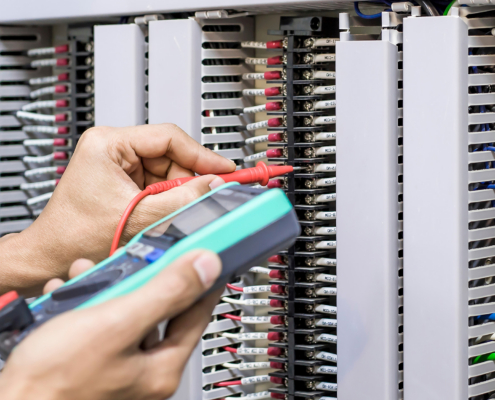
NFPA 70B outlines specific maintenance intervals based on equipment condition and criticality, making it easier to plan annual inspection schedules. These recurring tasks typically involve infrared scanning, torque checks, cleaning, lubrication, and electrical testing—all of which should be accounted for in the annual O&M budget. While these activities carry costs, they are substantially lower than the expenses associated with outages or emergency repairs.

Allocating Funds for Training and Documentation

Compliance also requires qualified personnel who understand the standard, proper testing procedures, and accurate documentation processes. Budgeting for team training, updated procedures, and recordkeeping systems becomes part of a sustainable compliance strategy. These investments support both audit readiness and operational consistency.

Adjusting Multi-Year Plans for Predictable Spending

Multi-year budgeting becomes far more accurate when teams integrate NFPA 70B’s maintenance cycles into long-range planning. Knowing when equipment will likely require servicing, refurbishment, or replacement allows both O&M and capital budgets to align more naturally. This reduces financial surprises and supports a smoother resource allocation process.

 Preventive planning is also an opportunity to evaluate whether your current contractor relationships support your compliance needs. For additional insight into selecting the right partner, explore our detailed guide on choosing an electrical maintenance contractor.

Turning Compliance Into a Cost-Control Strategy

Though compliance introduces new obligations, it also creates opportunities to stabilize spending and eliminate operational volatility. Organizations that invest in predictable, programmatic maintenance experience fewer outages, spend less on emergency work, and retain greater control over equipment life cycles.

Some of the clearest advantages include:

  • Reduced downtime, protecting revenue and output performance.
  • Extended equipment lifespans, lowering long-term capital costs.
  • Predictable maintenance spending, improving O&M planning accuracy.
  • Improved safety performance, reducing claims, liability, and risk exposure.

By reframing NFPA 70B compliance as a risk-management tool, facility leaders can justify maintenance budgets more effectively and demonstrate the financial ROI of proactive planning.

Aligning Compliance and Financial Planning Across Leadership Levels

One of the most important parts of successful compliance is communication. Maintenance teams often understand why preventive work is necessary, but executives need clear visibility into the financial implications of both action and inaction. The most successful organizations create alignment between technical teams and leadership by presenting maintenance insights in terms of risk, cost avoidance, and long-term planning.

A structured Electrical Maintenance Program (EMP), supported by NFPA 70B, also gives facility leaders the data they need to articulate upcoming capital requirements. When electrical components are assessed systematically, future investments become predictable rather than surprising. This level of foresight strengthens budget planning and prepares the organization for necessary upgrades well before they become emergencies.

Plan Ahead, Stay Compliant, Protect Your Budget

NFPA 70B compliance is a strategy that empowers facility managers to take control of both operational performance and long-term financial planning. By identifying issues early, reducing downtime, and forecasting capital needs with greater precision, organizations can protect their CapEx budget, stabilize their O&M budget, and reduce the costly risks associated with reactive maintenance.

If you’re ready to evaluate where your facility stands or need support developing a compliant maintenance strategy, CTI Electric can help. Our team partners with facility and maintenance leaders to assess current practices, identify gaps, and implement forward-looking programs that support safety, reliability, and financial stability.

To begin planning with confidence, connect with CTI Electric for an NFPA 70B compliance assessment.

More Like This

A Building Owner’s Guide to Smarter CapEx Planning