Voltage Levels Explained: Understanding Low, Medium, and High Voltage Systems

Every facility runs on electricity, but not all electricity flows the same way. The voltage levels powering your lights, machinery, and HVAC systems differ dramatically depending on what they need to do. For facility managers and operations leaders, understanding these differences can mean the difference between a smooth operation and an expensive surprise. Let’s break down what low, medium, and high voltage levels really mean and why they matter to your bottom line.
What Voltage Means in Electrical Systems

Before diving into specific voltage levels, it helps to understand what voltage actually does inside your electrical system.

Voltage, Current, and Power Working Together

Think of voltage as the pressure pushing electricity through your wires. The higher the pressure, the more force behind the flow. Voltage works alongside current (the amount of electricity flowing) and power (the total work being done) to keep your facility running. When you multiply voltage by current, you get power, measured in watts. This relationship explains why higher voltage levels can deliver more power without needing massive cables, which becomes incredibly important as your operations scale up.

The Three Main Voltage Levels

Electrical systems fall into three broad categories, and each one serves a specific purpose in how power gets from the source to your equipment.

Low, Medium, and High Voltage Ranges

Low voltage typically covers anything up to 1,000 volts, powering most of what you interact with daily. Medium voltage ranges from 1,000 volts to 35,000 volts and handles distribution across larger facilities and neighborhoods. High voltage starts at 35,000 volts and climbs into the hundreds of thousands, moving electricity across long distances through transmission lines. These thresholds can vary slightly depending on which standards body you reference, but the general categories hold steady across the industry.

Common Applications for Each Voltage Level

Each voltage class shows up in different parts of your operation, and recognizing where they appear helps you plan smarter.

From Outlets to Transmission Towers

Residential and small commercial spaces rely almost entirely on low voltage systems, with 120/240 volt service powering everything from outlets to lighting. Larger commercial buildings often step up to 480 volt systems for HVAC and elevators, which still falls within the low voltage range. Medium voltage shows up in hospitals, manufacturing plants, data centers, and campuses where power needs to travel between buildings or feed heavy equipment. High voltage belongs to the utility world, transmitting power from generation stations through substations before stepping it back down for end users.

Why Different Voltage Levels Exist

You might wonder why we bother with multiple voltage levels instead of picking one and sticking with it. The answer comes down to physics and economics.

Efficiency, Distance, and Demand

Higher voltage moves electricity more efficiently over long distances because it loses less energy to resistance along the way. That’s why utilities transmit power at extremely high voltages and step it down closer to where people use it. Heavy industrial equipment often demands medium voltage because the loads are too large for low voltage systems to handle without enormous, expensive conductors. Matching the voltage to the load keeps cables manageable, equipment efficient, and operating costs reasonable across your entire facility.

Equipment Associated With Each Voltage Class

Different voltage levels require different gear, and knowing what you have on site makes maintenance planning much easier.

Panels, Switchgear, and Everything in Between

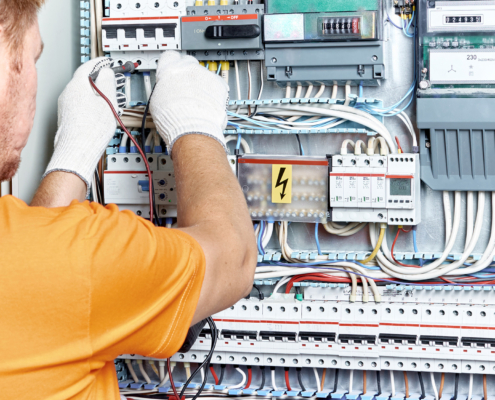
Low voltage equipment includes the panelboards, breakers, and motor control centers most facility teams recognize immediately. Medium voltage brings in switchgear, pad-mounted transformers, and larger motors that drive industrial processes. High voltage gear lives mostly at substations, featuring oil-filled transformers, circuit breakers, and overhead distribution lines that carry power across miles. Most commercial and industrial facilities deal with a mix of low and medium voltage equipment, while high voltage usually stays on the utility side of the meter.

Voltage Levels and Facility Operations

Your choice of voltage levels directly shapes how reliably your facility runs and how easily it can grow.

Planning for Reliability and Growth

A facility designed around the right voltage levels handles peak loads without strain and leaves room for future expansion. Undersized systems force you into costly upgrades when you add equipment or square footage, while properly sized medium voltage distribution gives you flexibility to scale. Downtime risks also shift with voltage class, since a single medium voltage fault can take out larger sections of your operation than a comparable low voltage issue. Smart facility planning accounts for these trade-offs from day one.

CTI Electric designs and maintains voltage cable solutions that keep your operations running smoothly. Check out more about our services, solutions, and installations.

Safety Considerations by Voltage Level

Safety practices change significantly as voltage climbs, and treating every system the same creates real danger for your team.

Arc Flash, PPE, and Clearances

Arc flash hazards grow more severe at higher voltage levels, capable of causing serious injury even from several feet away. Personal protective equipment requirements scale accordingly, with medium voltage work demanding rated gloves, face shields, and arc-rated clothing. Clearance distances around energized equipment also expand, meaning your team needs more space to work safely on a 15,000 volt switchgear cabinet than a standard panel. Lockout and tagout procedures become non-negotiable at every voltage level, but the consequences of skipping them grow exponentially as voltage rises. Cathodic protection with low voltage cables is also great for controlling the corrosion of metal surfaces.

Maintenance Requirements

Keeping voltage systems healthy requires different approaches depending on the equipment class.

Preventative Strategies That Pay Off

Preventative maintenance forms the foundation of any reliable electrical system, regardless of voltage. Infrared testing catches hot spots in panels and switchgear before they fail, often saving facilities from unexpected outages. Insulation testing matters more as voltage levels climb, since insulation breakdown at medium voltage can cause catastrophic failures. Switchgear inspections should happen annually for medium voltage equipment, and any work near utility-owned high voltage gear requires close coordination with your power provider. A solid maintenance program tailored to your specific voltage levels extends equipment life and protects your operations budget.

Power Up Your Facility With Confidence By Partnering With CTI Electric

Understanding voltage levels gives you the foundation to make smarter decisions about your facility’s electrical infrastructure. Low voltage handles your daily operations, medium voltage powers your heavy lifting, and high voltage delivers the energy from the grid to your doorstep. Each level demands specific equipment, safety practices, and maintenance routines, but they all work together to keep your business productive. Partnering with the right electrical contractor means you get systems that match your needs today and grow with you tomorrow.

Connect with CTI Electric to evaluate your facility’s voltage cable solutions and uncover opportunities for improvement. Our team is ready to help you build a safer, more efficient electrical system that supports your goals for years to come.

More Like This

Medium Voltage vs. High Voltage Explained
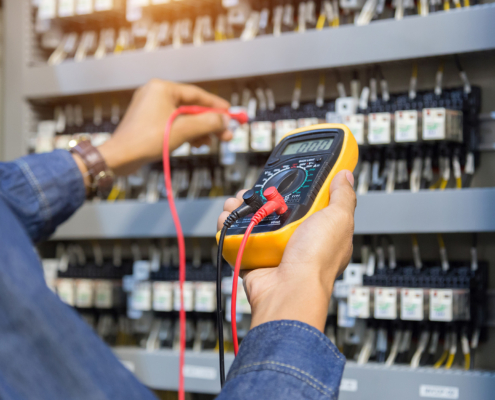
An electrical engineer checks the parameters of the electrical panel