Top 5 Electrical Warning Signs in Commercial Buildings

Most electrical problems build slowly, whether a breaker that trips a little more often than it used to, a faint burning smell that nobody can quite locate, or a panel that’s been “doing that” for years without anyone calling it in. By the time a failure makes itself undeniable, the damage is already done. Knowing which electrical warning signs deserve immediate attention is one of the most valuable things a building owner or facility manager can have in their back pocket.

Why Commercial Buildings Face Different Electrical Risks

A commercial building’s electrical system carries demands that residential systems simply aren’t built to handle. High-density lighting loads, HVAC systems, industrial equipment, and dozens of other concurrent draws put constant pressure on commercial electrical systems in ways that accumulate over time and accelerate wear on every component in the chain.

Add to that the reality that many commercial buildings are operating on electrical infrastructure that hasn’t been meaningfully evaluated or updated in years, and the conditions for a serious failure become very easy to create.

The electrical risks facing carry real operational and financial consequences, like unplanned downtime, equipment damage, OSHA liability exposure, and the kind of code violations that surface at exactly the wrong moment.

Understanding the signs that a commercial building’s electrical system may need attention is the first step toward getting ahead of those outcomes rather than reacting to them.

The 5 Electrical Warning Signs Your Building Can’t Afford to Ignore

Many of the most serious problems developing inside a commercial building’s electrical system present as subtle, easy-to-rationalize symptoms that get noted and then set aside. Here are the five electrical warning signs that building owners and facility managers should take most seriously, and why each one warrants a professional evaluation.

1. Frequently Tripping Breakers or Blown Fuses

A breaker that trips occasionally is doing its job. A breaker that trips repeatedly is telling you something important about what’s happening on that circuit. In a commercial environment, recurring trips typically point to one of three underlying issues:

  • The circuit is consistently overloaded for its rated capacity.
  • There is a fault somewhere in the wiring or connected equipment.
  • The breaker itself is worn and no longer performing reliably.

Any of these scenarios warrants a professional assessment. Over time, an overloaded circuit generates heat that degrades insulation, increases arc flash risk, and puts connected equipment under chronic stress. Qualified electrical troubleshooting can fix the issue and identify the root cause quickly to prevent a costly and potentially dangerous failure.

2. Flickering, Dimming, or Inconsistent Lighting

When lighting dims or fluctuates, particularly across multiple fixtures or zones simultaneously, it is often a symptom of voltage instability somewhere in the system. This can stem from loose connections, deteriorating wiring, an undersized panel struggling to keep up with building loads, or problems with the building’s service entrance.

In high-load commercial environments, voltage fluctuations also put sensitive equipment at risk. Motors, drives, servers, and other electronics are all vulnerable to inconsistent power quality in ways that shorten their lifespan and can cause unexpected failures.

3. Warm Panels, Outlets, or Switch Covers

Heat is one of the clearest indicators that something is wrong in an electrical system. Panels, outlets, or switch covers that are warm to the touch are a sign that current is flowing through resistance it shouldn’t encounter. This can result from loose terminations, corroded connections, overloaded circuits, or wiring that has been damaged or degraded over time.

A thermal imaging scan performed during a professional inspection can identify hot spots that are invisible to the naked eye, giving a facility manager a clear, documented picture of where the system is showing strain before that strain produces a failure.

4. Burning Smells or Discoloration Near Electrical Components

A burning smell near an outlet, panel, or piece of electrical equipment is an urgent warning sign and should never be dismissed as something minor or mysterious. Burning odors typically indicate that insulation is overheating, a connection is arcing, or a component is failing in a way that could lead to an electrical fire.

These symptoms don’t resolve on their own or improve with time. They indicate that the system has already experienced a stress event serious enough to leave a mark, and that the underlying cause is still present. Any burning smell or visible heat damage should trigger an immediate professional evaluation, not a scheduled one.

5. Outdated Panels, Mismatched Breakers, or Signs of DIY Wiring

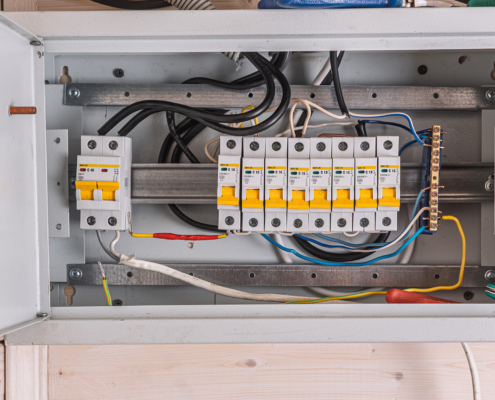
Panels that haven’t been evaluated in years, breakers that have been swapped without proper documentation, or circuits that were added without a coordination study to verify the system can handle them are all conditions that can quietly undermine the safety and reliability of a building’s electrical infrastructure.

An outdated or improperly modified panel is one of the electrical warning signs that a commercial electrical inspection will surface immediately, and addressing it proactively is always less expensive than dealing with the consequences of a system that fails because it was never properly evaluated.

Electrical warning signs are usually symptoms of a system that needs consistent, professional attention. Learn how CTI Electric’s preventative maintenance services are designed to catch these issues before they escalate to keep your building safe, compliant, and operational.

What Happens When Warning Signs Get Ignored

The decision to defer action on electrical warning signs is rarely made with full awareness of what the consequences can look like. Most deferrals happen because the symptom seems manageable, the building is busy, or the cost of a repair feels easier to avoid in the moment. What that calculus tends to miss is how quickly deferred electrical issues compound.

Operational Downtime

An electrical failure that takes a commercial building offline carries costs that dwarf the price of the repair itself. Lost productivity, displaced tenants, disrupted operations, and emergency contractor rates all stack up quickly, and none of them were on the budget. Commercial electrical systems that are proactively maintained fail far less often and recover far faster when issues do arise, because the infrastructure is understood and documented rather than unknown.

Safety and Liability Exposure

Electrical failures are among the leading causes of commercial building fires, and the liability exposure that follows a fire can be financially devastating for a building owner. OSHA standards for electrical safety in commercial and industrial facilities carry real enforcement consequences, and a building that has ignored documented electrical warning signs has very limited standing when those conversations happen.

The Role of Regular Commercial Electrical Maintenance

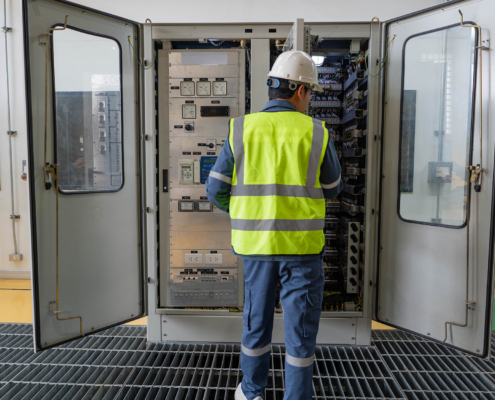
The most effective response to electrical warning signs is building a maintenance program that prevents those warning signs from developing in the first place. Regular commercial electrical maintenance conducted by a qualified commercial electrician gives building owners a continuously updated understanding of their system’s condition.

Thermal imaging, load testing, breaker testing, connection inspections, and documented service records all contribute to a facility profile that supports smarter capital planning, stronger compliance posture, and a dramatically reduced risk of unplanned failure.

For commercial building owners managing multiple systems and competing priorities, the value of a trusted electrical partner who knows the facility cannot be overstated. A commercial electrical inspection performed on a regular cadence is an investment in the operational continuity and safety of the building.
See Something on This List? It’s Time to Call CTI Electric.

CTI Electric provides comprehensive electrical services for commercial and industrial facilities throughout the Greater Salt Lake Area, including professional inspections, preventative maintenance programs, troubleshooting, and full system evaluations.

Our team of experienced commercial electricians has the certifications and the hands-on expertise to assess your building’s electrical health accurately and give you a clear path forward, whether that’s a targeted repair, a system upgrade, or an ongoing maintenance partnership.

Don’t wait for a warning sign to become a failure. Contact CTI Electric today to schedule a commercial electrical inspection and find out exactly where your building stands.

More Like This

Professional electriciian working on electrical box