Ensuring Safety and Efficiency Through Commercial Electrical Design and Maintenance

Blackouts, tripped breakers, and stalled production lines can all plague a manufacturing facility with a faulty electrical system. But commercial electrical design requires a specialized approach to handle the unique demands of your operation. By following best practices and partnering with a qualified electrical contractor, you can ensure a safe and efficient electrical system that keeps your production lines running smoothly, no matter the season.

Manufacturing Facilities Require a Higher Standard in Electrical Building Design

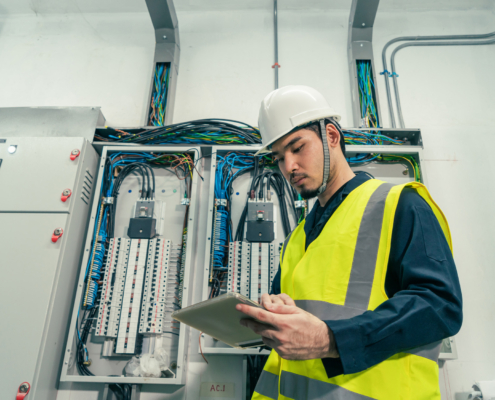
Electrical safety is important in any workplace—but for manufacturing facilities, it’s non-negotiable. A single issue can bring a production line to a screeching halt, causing costly delays and impacting everything from employee safety to product quality.

However, manufacturing environments have unique electrical demands compared to other commercial buildings. They require a specialized design to handle the heavy machinery, complex processes, and significant power requirements. Let’s take a look at the needs that make these electrical requirements more stringent.

Understanding Manufacturing Electrical Systems

As we discussed, manufacturing facilities have electrical systems that are a world apart from those found in residential or commercial buildings. Here’s what sets them apart:

  • Higher Voltage Requirements: The machinery that powers production lines demands significantly higher voltage than your typical appliances. This higher voltage allows for the transfer of greater amounts of electricity, which is crucial for powering industrial equipment.
  • Increased Complexity Due to Diverse Equipment: Manufacturing facilities house a diverse range of electrical equipment, each with its own specific needs. From delicate computer systems to massive welding machines, a single facility can encompass a wide spectrum of electrical loads. A careful commercial electrical design is needed to distribute power efficiently and safely to all areas.
  • Importance of Redundancy and Backup Power: Downtime in a manufacturing facility is incredibly expensive. To minimize disruptions, commercial electrical design for manufacturing incorporates redundancy measures. This can include backup generators, redundant power feeds, and strategically placed switchgear. These redundancies ensure that critical operations can continue uninterrupted even if one part of the system fails.

A specialized design helps ensure the efficient operation of the entire facility, but it’s only part of the equation. Keeping production lines humming and preventing costly downtime also takes the work of proactive electrical maintenance. Before we jump into specifics, though, it’s important to understand what you’re up against. So, let’s do it.

Common Challenges Manufacturing Electrical Systems Face

Manufacturing facilities do complex work, and they’re up against equally complex challenges. One of the biggest threats to your system’s efficiency is the elements. Here’s how seasonal changes can impact your electrical operations:

Heat

Almost everyone struggles in extreme heat, and so too can electrical components. Heat is a major enemy, silently sapping efficiency and increasing the risk of malfunctions. The problems it can create for your electrical system include:

  • Decreased Efficiency: Hot environments can cause electrical components to work harder to maintain their performance. This translates to increased energy consumption and wasted resources.
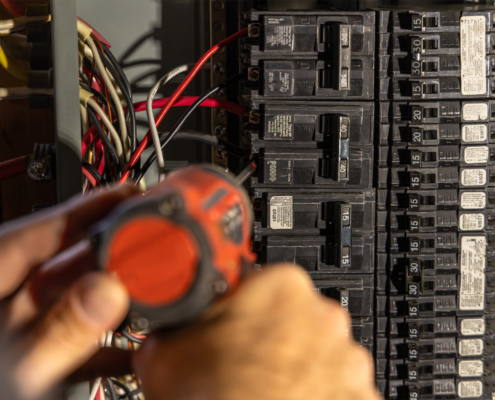
  • Overloaded Circuits: As temperatures rise, the capacity of electrical circuits can decrease. This can lead to an overload, causing short circuits and major fire hazards. Overloading is also a prime culprit for tripped circuit breakers.
  • Increased Risk of Power Outages and Tripped Breakers: Heat puts a strain on electrical components, making them more susceptible to overheating and failure. This can lead to tripped breakers and even complete power outages, disrupting production and costing valuable time.

Seasonal Shifts

Beyond the year-round threat of heat, different seasons present their own unique challenges:

  • Summer: The summer months often see a double whammy—increased heat from the environment and additional strain from air conditioning systems. This can put a significant burden on your system, making it even more critical to ensure proper maintenance and efficient commercial electrical design.
  • Winter: While the cold might seem like a welcome relief, winter can also pose problems. Cold starts for electrical equipment can cause temporary surges in power demand, stressing the system. Additionally, extreme cold can affect the performance of electrical components, potentially leading to malfunctions.

Understanding these seasonal challenges allows you to implement best practices to keep your system running smoothly year-round. In the next section, we’ll explore the proactive electrical maintenance strategies that can mitigate the impact of both heat and seasonal changes.

Whether it’s a seasonal struggle or an unexpected outage, electrical problems are a drain on your productivity. Discover how CTI Electric’s troubleshooting services can help get you back on track in no time.

Strategies for Proactive Electrical Maintenance

A manufacturing facility with a proactive electrical maintenance plan experiences fewer disruptions and enjoys a longer lifespan for its electrical system. By implementing proactive maintenance strategies, you can significantly reduce the risk of electrical problems and ensure the safe and efficient operation of your manufacturing facility.

Remember, an ounce of prevention is truly worth a pound of cure when it comes to your electrical system. Here are some key maintenance tasks to incorporate into your plan:

Thermal Imaging Inspections

This cutting-edge technology allows technicians to identify hot spots within your electrical system. These hot spots can be an early warning sign of overloaded circuits or failing electrical components, allowing for preventative repairs before they cause outages or fires.

Load Balancing Analysis

A balanced electrical system distributes power evenly across all circuits. Load balancing analysis helps identify any imbalances and allows for adjustments to ensure optimal performance and prevent overloading.

Cleaning and Dust Removal

Dust and debris can act as insulators, trapping heat around electrical components. Regular cleaning helps maintain proper ventilation and prevents overheating.

Grounding System Verification

A proper grounding system is essential for safety. Regular verification ensures all equipment is properly grounded, minimizing the risk of electrical shock.

When to Call a Professional Electrical Contractor

Manufacturing electrical systems demands a deep understanding of electrical codes, safety protocols, and the specific needs of your facility. While regular maintenance is essential, there are times when partnering with a qualified electrical contractor is the smartest course of action.

Let’s take a look at when to bring in the professionals:

  • Design and Installation of New Systems: Planning a new production line or upgrading your electrical infrastructure? A qualified electrical contractor can design a system that meets your specific needs, ensuring efficiency, safety, and compliance with all relevant codes.
  • Troubleshooting and Repair of Complex Issues: Electrical problems in a manufacturing facility can be complex and pose a safety risk. If you’re facing a persistent issue or a complex malfunction, don’t hesitate to call in a professional. Their expertise can diagnose the problem quickly and safely, minimizing downtime and ensuring a proper solution.
  • Training Personnel on Safe Electrical Practices: Even with the best systems in place, safety is essential. Qualified electrical contractors can train your staff on safe electrical practices, empowering them to identify potential hazards and act appropriately.

A qualified electrical contractor is an invaluable partner in ensuring the smooth and safe operation of your manufacturing facility. They can help you navigate the complexities of your electrical system, prevent costly downtime, and keep your production lines running smoothly.

Trust Your Commercial Electrical Design and Maintenance to the Experts at CTI Electric

CTI Electric understands the critical role a reliable electrical system plays in your success. Our team of qualified electrical contractors has the expertise and experience to handle all your electrical needs, from initial design and installation to ongoing maintenance and troubleshooting.

We are committed to providing efficient, cost-effective solutions that keep your facility running smoothly and safely. Contact us today to ensure your production line operates at peak performance year-round.

More Like This

How Electrical Preventative Maintenance Supports OSHA and NFPA Compliance
Professional electriciian working on electrical box
The Electrical Maintenance Checklist Every Facility Needs
How to Set the Right Electrical Maintenance Schedule for Safety & Savings
How Preventative Electrical Maintenance Can Save You Big Money on Repairs
How AI-Powered Gun Detection Systems Bolster School Violence Prevention
Professionals inspecting electrical system outside
Electricians inspecting electrical system
Two workers performing an electrical audit